 da
 en


- Frontpage >
- Plant Encyclopedia >
- Skimmia
Skimmia
- Latin name: Skimmia
- Type: Shrub (ericaceous)
- Light conditions: Shade, partial shade
- Soil conditions: Ericaceous peat, well-drained
- Other: Will thrive best in the ericaceous bed
Recommended Products
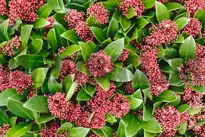
Skimmia is a charming evergreen shrub that adds beauty and structure to Danish gardens. Known for its attractive flowers and berries as well as its foliage, skimmia is a popular addition to both gardens and pots. To ensure optimal growth, it is important to understand the correct soil and light conditions.
Skimmia thrives best in good-quality, well-drained soil. It prefers a slightly acidic to acidic pH value and moist, but not waterlogged, soil. Skimmia is known for being adaptable and can thrive in different soil types, such as clay, sand or loam. A rich, organic soil with good drainage will help maintain healthy growth and development.
When it comes to light conditions, skimmia is a plant that thrives in partial shade to shady areas. It can also cope in areas with more diffused light. This makes skimmia well suited to planting under trees, along hedges or in shady corners of the garden. Avoid placing skimmia in areas with intense, direct sun, as this can scorch the leaves.
Here is a list of some of the most common types of skimmia found in Danish gardens:
- Skimmia japonica (Japanese skimmia): The most widespread species, known for its fragrant flowers and red berries on female plants.
- Skimmia x confusa 'Kew Green': A variety with cream-coloured flower heads and evergreen foliage.
- Skimmia japonica 'Veitchii': A variety with red berries and decorative flower heads.
- Skimmia japonica 'Marlot': Known for its compact growth, red buds and dark green leaves.
- Skimmia japonica 'Kew White': A variety with white berries and evergreen foliage.
Skimmia is not only an attractive plant – it also adds a subtle scent and colour to the garden, especially in the cooler months, when its berries and buds are most prominent. With the right growing conditions, skimmia can thrive and be a pleasure for gardening enthusiasts all year round.
This guide is for guidance only. Landscaping and gardening is not an exact science, and a successful result can be affected by many variables, including (but not limited to): soil conditions, location, watering, temperatures, weather, application of fertiliser and mulch, and much more.