 da
 en


- Frontpage >
- Plant Encyclopedia >
- Wisteria
Wisteria
- Latin name: Wisteria
- Type: Twining plant, climbing plant
- Light conditions: Full sun (tolerates shade)
- Soil conditions: Ordinary, well-drained
- Other: There are 10 species in the genus, but only 2 are common in Denmark
Recommended Products

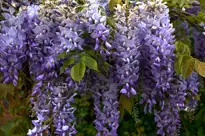
Wisteria is an enchanting and beautiful climbing plant known for its hanging clusters of colourful flowers. It belongs to the pea family and in full bloom is an impressive sight and a popular choice in Danish gardens.
Wisteria thrives best in well-drained, humus-rich soil. The soil pH should be neutral to slightly acidic. A loose, fertile soil gives the plant's roots the chance to grow and spread. Adding compost when planting can help improve the soil structure and provide the plant with the nutrients it needs. It is important to avoid waterlogged conditions, as wisteria does not tolerate wet feet.
Wisteria thrives in full sun, which means at least 6-8 hours of direct sunlight a day. The more sun, the more abundant and colourful the flower clusters the plant produces. A sunny spot will also help prevent mould and disease. While wisteria tolerates light shade, a sunny position will maximise its flowering and health.
Common wisteria species in Denmark:
- Chinese wisteria (Wisteria sinensis): Chinese wisteria is the most common and widespread species in Danish gardens. It has hanging clusters of purple or blue flowers and is known for its vigorous growth.
- Japanese wisteria (Wisteria floribunda): Japanese wisteria is another popular species in Denmark. It differs by having longer flower clusters and a more compact growth habit compared with Chinese wisteria.
These two species of wisteria are both beautiful and magnificent climbing plants that can add elegance and colour to gardens and pergolas. By meeting their soil and light requirements, you can grow healthy and impressive wisteria in Danish gardens.
This guide is for guidance only. Landscaping and gardening is not an exact science, and a successful result can be affected by many variables, including (but not limited to): soil conditions, location, watering, temperatures, weather, application of fertiliser and mulch, and much more.