 da
 en


- Frontpage >
- Plant Encyclopedia >
- Lawn - lawn grass - turf
Lawn - lawn grass - turf
- Latin name: -
- Type: Lawn, lawn grass, turf
- Light conditions: -
- Soil conditions: Well-drained topsoil, pH value 6-7
- Other: Read more about laying a lawn and turf, and about caring for your established lawn, further down the page. Here you can, among other things, read our recommendations on sand for lawns and top dress
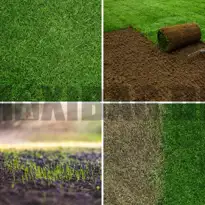

Laying a new lawn from seed
Laying grass from seed in Denmark requires careful preparation and correct execution to achieve the desired result. Here are some important points to consider:
Best time of year
The best time to sow grass seed in Denmark is typically early spring or autumn. This gives the seeds the chance to germinate and establish themselves before the summer heat or winter frost sets in. Ideally, you should avoid sowing grass at high temperatures, e.g. in summer, as this can affect germination and growth.
Choice of soil
It is important to choose the right type of soil to ensure optimal growth of the grass. When laying a new lawn on subsoil, we recommend our screened topsoil. The topsoil layer should be laid 15-20 cm thick on top of the subsoil.
If you want to sow grass where the soil is clayey and heavy, you should prepare the soil by loosening it and removing weeds, stones and other foreign objects that can prevent the seeds from germinating, and mix in 5-15 cm of screened topsoil to ensure good drainage and a lighter soil that gives the seeds better growing conditions. In general, grass prefers well-drained soil with a pH value of around 6 to 7.
Watering recommendations
After sowing grass seed, it is essential to keep the soil evenly moist to promote germination and establishment of the new grass. Water regularly, but avoid flooding the area, as this can wash the seeds away or damage the newly emerged shoots. If there is no rain within the first week after sowing, it is necessary to water the lawn thoroughly. It is recommended to repeat this watering 2-3 times a week to ensure the best result. Watering the lawn every 2-3 days stimulates deeper root growth, which allows better water uptake and establishment.
Laying turf
Laying turf in Denmark can be an effective way to get a beautiful lawn in a short time. Consider the following recommendations:
Best time of year
For the best results, turf should normally be laid in early spring or autumn. These seasons give the new grass the chance to establish itself in cooler weather and during a period of moderate rainfall. Avoid laying turf in extreme temperatures, as this can stress the grass and reduce the chances of successful establishment.
Choice of soil
As with sowing seed, it is important to choose the right type of soil for laying turf. Prepare the soil by removing weeds and loosening it to improve drainage and root anchoring. If your soil is very clayey or sandy, it can be beneficial to add organic matter such as soil conditioner to improve the soil's structure and nutrient content. You can also improve your base by laying a layer of screened topsoil (5-10 cm).
Watering recommendations
After laying the turf, it is important to water it thoroughly to make sure the roots establish properly in the soil. Water your new lawn regularly in the first weeks after laying, so the soil stays moist but not wet. Monitor the soil's moisture level and adjust the watering schedule as needed to ensure a healthy and lush lawn.
Recommendations for an established lawn
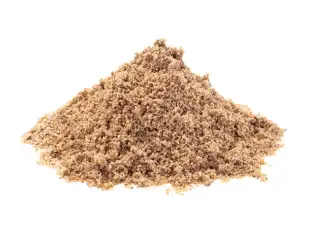
If an established lawn needs aerating, you can benefit from adding our Sand for Lawns. This is a washed sand with a minimum of clay, which is exactly the right product when the soil has become too heavy. This sand can also be used if you want to make clay soil more airy and improve drainage. In this way, you can avoid or minimise standing water in the garden and improve the growing conditions in the flower bed.
How much sand should go on the lawn?
We recommend spreading 2-3 cm of washed sand over the entire area where you want to aerate the soil. The lawn will slowly "eat" the sand and draw it down into the soil. It will therefore become invisible within a relatively short time.
The sand can also be used to level out bumps and holes in the lawn, and the structure of the sand makes it incredibly easy to work with, as it does not clump together.
Top dress - for a healthy, green lawn
Organic Top Dress is a mix of finely screened topsoil with a good type of sand added, which gives your lawn renewed nutrients that promote grass growth and make it look healthier and greener. Top dress improves the soil structure and makes the lawn more resistant to drought. By improving the soil structure and adding nutrients, top dress can help create healthier growing conditions for the grass, which can reduce moss and weeds. We recommend spreading a layer of top dress 3-5 cm thick; the best time to spread it is in spring, in April/May.
To allow water to drain, the product contains small stones. It should therefore be rolled after spreading so that it is comfortable to walk on.
This guide is for guidance only. Landscaping and gardening is not an exact science, and a successful result can be affected by many variables, including (but not limited to): soil conditions, location, watering, temperatures, weather, application of fertiliser and mulch, and much more.