 da
 en


- Frontpage >
- Plant Encyclopedia >
- Mallow
Mallow
- Latin name: Malva
- Type: Perennial
- Light conditions: Full sun, light shade
- Soil conditions: Ordinary, well-drained, nutrient-rich, can grow in the perennial bed or the ericaceous bed
- Other: Attracts butterflies and bees (pollinators), drought-tolerant, hardy
Recommended Products

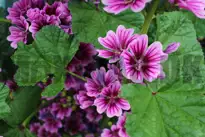
Mallow is a beautiful and versatile plant that adds a touch of colour and elegance to any garden. With its heart-shaped leaves and impressive flower spikes, mallow is a popular choice in garden design.
Mallow is suitable for creating flower beds, borders and group plantings. It also works well in perennial beds and can be a beautiful background plant. With its lush foliage and colourful flowers, mallow attracts butterflies and bees, contributing to a lively garden ecosystem.
Mallow thrives best in well-drained soil. It prefers a slightly acidic to neutral pH. Avoid waterlogging, as mallow does not tolerate waterlogged conditions. Enrich the soil with compost, e.g. our soil conditioner, to improve the nutrient content. Mallow can tolerate moderate drought, but regular watering will promote optimal growth.
Mallow thrives in full sun, but can also tolerate light shade. The plant develops best with at least 6 hours of sunlight a day. Avoid heavy shade, as it can affect flower production. Place mallow somewhere with good air circulation to prevent disease.
Widespread species in Danish gardens:
- Malva sylvestris (Common mallow): A tall plant with deep purple flowers.
- Malva moschata (Musk mallow): Known for its delicate scent and pink flowers.
- Malva alcea (Hollyhock mallow): An impressive plant with large, tall flower spikes.
- Malva neglecta (Dwarf mallow): A robust species that thrives in different soil types.
- Malva arborea (Tree mallow): A shrubby mallow with attractive foliage and pink-purple flowers.
Mallow is not only a visually appealing plant – its hardiness and adaptability make it an ideal choice for any gardening enthusiast.
This guide is for guidance only. Landscaping and gardening is not an exact science, and a successful result can be affected by many variables, including (but not limited to): soil conditions, location, watering, temperatures, weather, application of fertiliser and mulch, and much more.