 da
 en


- Frontpage >
- Plant Encyclopedia >
- Ericaceous Bed - Edible
Ericaceous Bed - Edible
- Latin name: -
- Type: Bed, edible
- Light conditions: Partial shade, sun
- Soil conditions: Acidic (pH value 4.0-5.5), well-drained
- Other: See also Ericaceous Bed - Plants
Recommended Products

An edible ericaceous bed is a garden bed specially designed for growing plants that thrive in acidic soil. Such beds are ideal for growing a wide range of edible plants that enjoy a low soil pH. These beds create a perfect setting for growing acid-loving crops and can include a range of edible berries and vegetables.
The ericaceous bed should have acidic soil with a pH value between 4.0 and 5.5 to meet the preferences of acid-loving plants. To achieve this, peat moss can be used and added every year. This helps maintain a suitable acidity and improve the soil structure. Drainage is also important to prevent waterlogging, as some crops do not thrive in wet conditions.
The ericaceous bed thrives best in areas with partial shade to full sun. Some of the plants that thrive in acidic soil can tolerate light shade, but most will benefit from at least 4-6 hours of sunlight a day. It is therefore important to place the ericaceous bed in a part of the garden where it gets enough sunlight to ensure good growth and fruit set.
These edible plants for an ericaceous bed make for a beautiful and productive garden that adds variety and culinary enjoyment to Danish gardens. When growing these plants in an ericaceous bed, it is important to monitor and adjust the soil pH to maintain optimal conditions for the plants.
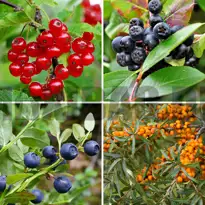
Some of the most widespread edible plants for an ericaceous bed in Danish gardens include:
- Blueberry (Vaccinium spp.): Blueberry bushes thrive in acidic soil and are a popular edible plant in ericaceous beds. They produce juicy, sweet berries and come in different varieties that ripen at different times.
- Sea buckthorn (Hippophae rhamnoides): Sea buckthorn bushes also tolerate acidic soil and produce small orange berries that are rich in vitamin C. The berries have a slightly tart taste and are often used in juice, jelly or baking.
- Lingonberry (Vaccinium vitis-idaea): These small berries are tart and are often used for jam, juice or as an accompaniment to meat dishes.
- Sour cherry (Prunus cerasus): These sour cherries can be grown alongside the ericaceous bed and can be used to make jam, juice and baking.
- Aronia (Aronia melanocarpa): Also known as black chokeberry, aronia produces berries that are rich in antioxidants. They are often used for juice, jam or as dried berries.
- Vaccinium angustifolium (Lowbush blueberry): Lowbush blueberry is an acid-loving species that gives small but very tasty blueberries.
- Redcurrant (Ribes spp.): Some currant species tolerate acidic soil and give small, juicy berries that are suitable for juice, jam and desserts.
This guide is for guidance only. Landscaping and gardening is not an exact science, and a successful result can be affected by many variables, including (but not limited to): soil conditions, location, watering, temperatures, weather, application of fertiliser and mulch, and much more.